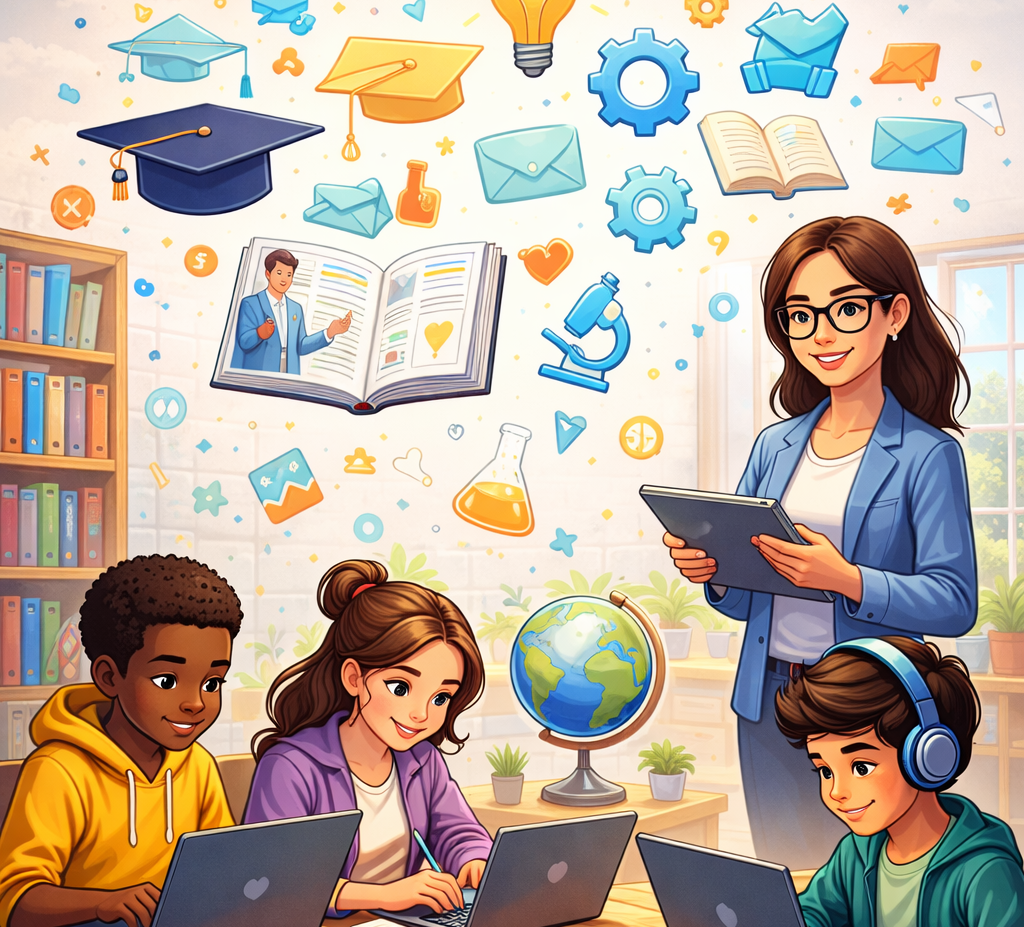
Education is the foundation of a strong and successful life. It gives people knowledge, skills, and confidence to face challenges. From childhood to adulthood, learning plays an important role in personal and social development. In today’s fast-changing world, education is more important than ever before. It not only helps individuals grow but also strengthens communities and nations.
What Is Education?
Education is the process of gaining knowledge, skills, values, and habits. It does not only happen in schools. We learn from our parents, teachers, friends, books, and even life experiences. School education provides structured learning, but real education also includes character building and life skills.
Education teaches us how to think clearly, solve problems, and make wise decisions. It shapes our personality and helps us understand the world better.
Why Education Is Important
Education is important for many reasons. First, it helps people find better job opportunities. Employers prefer educated individuals because they usually have better communication skills and knowledge.
Second, education reduces poverty. When people are educated, they can earn higher incomes and improve their living standards. Families with education are more likely to provide better opportunities for their children.
Third, education promotes equality. It gives everyone a fair chance to succeed, no matter their background. When both boys and girls receive education, society becomes stronger and more balanced.
Education and Personal Growth
Education improves self-confidence. When students learn new things, they feel proud of their achievements. This confidence helps them take on new challenges.
Learning also improves creativity. Subjects like art, science, and literature encourage students to think in different ways. Education teaches discipline, patience, and responsibility. These qualities are important in every stage of life.
Moreover, education helps people develop emotional intelligence. Students learn how to manage emotions, work with others, and respect different opinions.
The Role of Schools and Teachers
Schools are important centers of learning. They provide a safe environment where students can explore ideas and build friendships. A good school supports both academic and personal growth.
Teachers play a key role in shaping students’ futures. They guide, motivate, and support learners. A passionate teacher can inspire students to dream big and work hard. Teachers also help students discover their strengths and improve their weaknesses.
In modern times, teachers use technology to make lessons more interesting. Smart boards, videos, and online tools make learning more interactive.
Modern Education and Technology
Technology has changed education in many ways. Online classes allow students to learn from anywhere. Digital libraries provide access to thousands of books. Educational apps help students practice skills easily.
However, technology should be used wisely. Too much screen time can reduce focus and affect health. Students must balance online learning with physical activities and face-to-face communication.
Blended learning, which combines classroom teaching and online resources, is becoming popular. This method offers flexibility while keeping human connection strong.
Challenges in Education
Despite progress, education still faces many challenges. In some areas, schools lack proper facilities. Some students cannot afford books or uniforms. Others drop out because they need to support their families financially.
Another challenge is exam pressure. Many students feel stressed about grades. Education should focus on understanding and skill development, not just memorizing for exams.
Governments and organizations must invest in better schools, teacher training, and scholarships. Community support is also important to ensure every child stays in school.
Equal Opportunities for All
Every child deserves quality education. Gender, income, or location should not limit learning opportunities. When girls receive education, they become empowered and independent. They can contribute to their families and society.
Inclusive education is also important. Students with disabilities should have access to proper support and resources. A fair education system creates equal chances for everyone.
Lifelong Learning
Education does not end after graduation. The world keeps changing, and people must continue learning new skills. Lifelong learning helps individuals stay updated and competitive.
Adults can learn through online courses, workshops, and reading. Continuous learning improves career growth and personal satisfaction.
Building a Better Future Through Education
Education is the key to solving many global problems. It reduces poverty, promotes peace, and improves health. Educated citizens make informed decisions and participate actively in society.
When governments invest in education, they invest in the future. Strong education systems create skilled workers, innovative thinkers, and responsible leaders.
How Students Can Make the Most of Education
Students should take responsibility for their learning. Setting goals, managing time, and practicing regularly are important steps. Asking questions and staying curious help deepen understanding.
It is also important to develop good habits such as reading daily, completing assignments on time, and maintaining a positive attitude.
Success in education requires effort, patience, and determination. Every small step in learning leads to bigger achievements in life.
Conclusion
Education is more than just attending school. It is a lifelong journey of growth and discovery. It shapes character, builds skills, and opens doors to endless opportunities. In today’s modern world, education is the strongest tool for success.
By supporting equal access to education and encouraging continuous learning, we can create a brighter and more successful future for everyone. Education truly has the power to change lives and build a better world.